In the global automotive industry, Nissan is known for its resilience and ability to reinvent itself. From early compact cars to modern electric vehicles like the Leaf, Nissan has played a major role in shaping Japan’s automotive legacy.
Headquartered in Yokohama, Nissan is one of Japan’s largest automakers and a key part of global alliances that define the future of mobility.
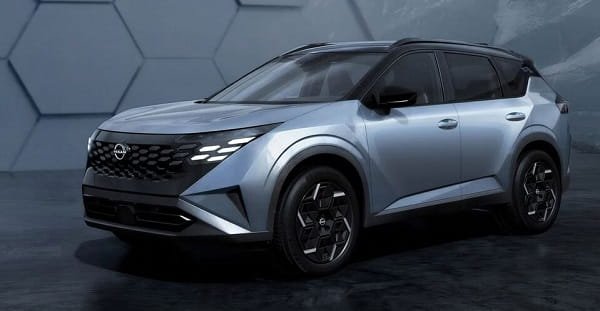
Quick Overview: Nissan Corporate Identity
| Category | Details |
| Origin Country | Japan (Headquartered in Yokohama) |
| CEO (2026) | Ivan Espinosa |
| Founder | Yoshisuke Aikawa (Nissan Group architect) |
| Owner | Publicly traded (TYO: 7201) |
The Origins: A Network of Early Innovators
Nissan’s history is not tied to a single company but a combination of early automotive ventures.
One of the earliest roots goes back to Kaishinsha Motor Car Works, founded by Masujiro Hashimoto in 1911. This company produced the “DAT” car in 1914, named after its investors.
The modern company structure emerged in 1933 under the leadership of Yoshisuke Aikawa, who built the Nissan zaibatsu (industrial group) and consolidated automotive operations into what became Nissan Motor Co., Ltd.
Growth and Global Expansion
During the 1930s and beyond, Nissan introduced the Datsun brand, which became highly popular in export markets.
Over the decades, Nissan expanded globally, building manufacturing plants and entering key markets like the United States and Europe.
However, by the late 1990s, the company faced serious financial trouble. In 1999, it entered into an alliance with Renault, which helped stabilize the business and restore profitability.
Leadership in 2026: The “Re:Nissan” Strategy
As of 2026, Ivan Espinosa leads the company as President and CEO, having taken over in 2025.
He is currently driving the “Re:Nissan” recovery plan, which focuses on:
- Reducing operational costs
- Refreshing the global product lineup
- Strengthening EV and software-defined vehicle development
This marks another critical phase in Nissan’s long history of transformation.
Ownership and Strategic Alliances
Nissan is a publicly traded company with a diverse shareholder base.
It remains part of the Renault-Nissan-Mitsubishi Alliance, although the relationship has been rebalanced. As of recent restructuring, both Nissan and Renault hold roughly equal stakes in each other.
Additionally, Nissan has entered a strategic collaboration with Honda to accelerate development in electric vehicles and next-generation mobility technologies.
Ownership is largely held by institutional investors, including Japanese trust banks and global funds.
Conclusion: Reinvention as a Core Strength
Nissan’s journey is defined by change. From early automotive experiments to global expansion, from crisis to recovery, the company has continuously adapted.
Today, Nissan stands at another turning point—focused on electrification, partnerships, and innovation. With strong leadership and strategic alliances, it aims to remain competitive in a rapidly evolving automotive world.

Meet Suhas Harshe, a financial advisor committed to assisting people and businesses in confidently understanding and managing the complexities of the financial world. Suhas has shared his knowledge on various topics like business, investment strategies, optimizing taxes, and promoting financial well-being through articles in InvestmentDose.com