In the complex environment of healthcare, administrative tasks can often overshadow the primary mission of providing quality patient care. Agencies involved in healthcare software development are increasingly turning to Medical Dictation Software as a solution to alleviate these burdens. This article explores how such software impacts healthcare workflows, improves patient care through efficient documentation, and enhances operational efficiency. By the end, you’ll understand why adopting this technology is a strategic move for healthcare providers looking to streamline operations.
How Medical Dictation Software Transforms Healthcare Workflows
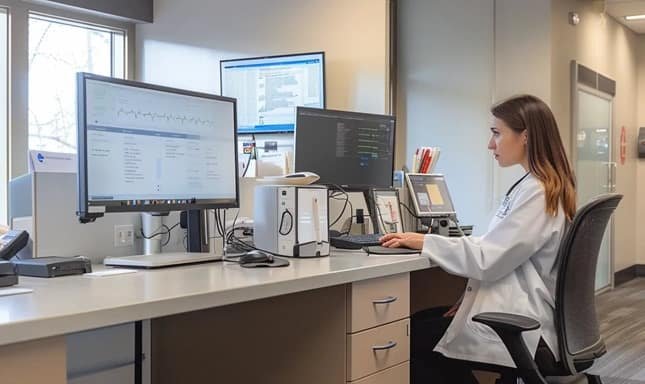
Medical Dictation Software fundamentally changes how healthcare professionals manage their workflows. By integrating with Electronic Health Record (EHR) Optimization, it enables practitioners to input data into patient records quickly and accurately. This integration eliminates the need for manual data entry, which is both time-consuming and prone to errors. Furthermore, agencies specializing in Custom Medical Software Development can tailor these systems to meet specific organizational needs, ensuring seamless operation within existing frameworks.
Moreover, this software supports Interoperability Standards Implementation, such as Health Level 7 (HL7), which is crucial for effective Health Information Exchange (HIE). This capability ensures that patient data can be shared securely across different healthcare systems, enhancing the continuity of care. An agency involved in the development of Telemedicine Platform Development, for example, can leverage these standards to improve remote consultations by providing instant access to comprehensive patient information.
Enhancing Patient Care Through Efficient Documentation
Efficient documentation is pivotal in enhancing patient care, and Medical Dictation Software plays a vital role in achieving this. With the use of advanced Speech Recognition Technology, healthcare providers can document patient interactions in real-time, ensuring that all pertinent information is captured accurately. This not only saves time but also allows for immediate inclusion of data into Clinical Decision Support Systems (CDSS), aiding in the delivery of informed patient care.
Additionally, the incorporation of Medical Device Integration within dictation software allows for automatic updates to patient records from connected health devices. This feature is particularly beneficial in settings where continuous monitoring is necessary, such as intensive care units. By automating these updates, healthcare providers can focus more on patient care rather than administrative tasks.
Moreover, by reducing the time spent on documentation, practitioners can allocate more time to direct patient interaction, significantly enhancing patient engagement and satisfaction. This is a critical factor that agencies must consider when developing Patient Engagement Solutions aimed at improving overall healthcare experiences.
Streamlining Administrative Tasks with Speech Recognition Technology
The integration of Speech Recognition Technology within Medical Dictation Software streamlines numerous administrative tasks. By automating the transcription of voice into text, healthcare agencies can significantly decrease the workload on administrative staff, allowing them to focus on more strategic tasks. This transformation is particularly impactful in Revenue Cycle Management Software, where accurate and timely documentation directly influences billing and reimbursements.
Agencies involved in Software Validation Protocols can ensure that these systems meet industry standards and regulatory requirements. This is crucial for maintaining compliance and ensuring the reliability of the technology. Moreover, the simplified documentation process aids in Regulatory Compliance Auditing, as it ensures that all records are thorough and up-to-date.
To illustrate the efficiency gained, a study by Mobius MD highlights that Medical Dictation Software increases documentation speed by 30-40%, allowing healthcare professionals to focus more on patient care. For more insights on the best dictation solutions, particularly for Mac users, refer to their Medical Dictation Software.
Measuring the Impact of Medical Dictation on Operational Efficiency
The impact of Medical Dictation Software on operational efficiency is significant. By reducing the time required for documentation, healthcare providers can streamline their operations, allowing for a more efficient allocation of resources. This efficiency is supported by the use of sophisticated Data Interchange Standards like FHIR, which facilitate the smooth exchange of information across diverse systems.
According to recent research, organizations that have implemented dictation software report a reduction in administrative workload by up to 50% (Source: HIMSS, 2022). This reduction not only decreases operational costs but also improves the overall workflow within healthcare settings. Agencies focusing on Health IT Project Management can use these insights to advocate for the adoption of dictation software as a means to enhance operational efficiency.
Furthermore, the software supports HIPAA Compliance by ensuring that all patient data is securely managed and transmitted, which is essential for maintaining patient trust and meeting legal requirements. This aspect is critical for agencies tasked with implementing Digital Therapeutics Applications where data security is paramount.
Conclusion
Medical Dictation Software offers a transformative solution for reducing administrative burdens in healthcare settings. By improving documentation accuracy, streamlining administrative tasks, and enhancing operational efficiency, this software allows healthcare providers to focus more on delivering quality patient care. For agencies involved in software development, the integration of such technology not only optimizes workflows but also ensures compliance with industry standards, making it an invaluable tool in the modern healthcare landscape.

Meet Suhas Harshe, a financial advisor committed to assisting people and businesses in confidently understanding and managing the complexities of the financial world. Suhas has shared his knowledge on various topics like business, investment strategies, optimizing taxes, and promoting financial well-being through articles in InvestmentDose.com