Silver occupies a fascinating and somewhat paradoxical position in India’s precious metals investment landscape. Deeply embedded in Indian culture and tradition — silver utensils, silver gifts at births and weddings, and silver religious articles are universal across Indian communities — yet significantly overshadowed by gold as the dominant precious metal investment choice in the country. Silver’s dual character as both a precious metal and an industrial commodity creates an investment profile genuinely different from gold — with higher volatility, greater industrial demand sensitivity, and different long-term return characteristics that make silver coin investment a distinctive proposition requiring its own careful evaluation. Whether buying silver coins is a good investment in 2026 depends on understanding silver’s unique market dynamics and honest assessment of physical coin ownership economics.
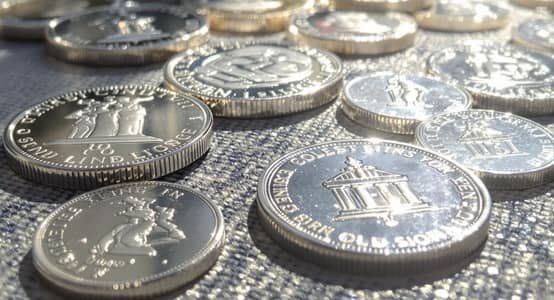
Silver’s Dual Market Character
Silver’s investment case is fundamentally shaped by its split personality between precious metal and industrial material. Approximately 50-55% of global silver demand comes from industrial applications — solar panels, electronics, electric vehicle components, medical devices, and photography. The rapid growth of solar energy globally has made photovoltaic applications one of the fastest-growing sources of silver industrial demand, creating a structural demand growth story that gold — with minimal industrial use — does not possess. This industrial demand dimension means silver prices respond to economic growth and industrial activity cycles in ways that gold, driven primarily by monetary and safe-haven demand, does not.
For investors, this dual character creates both opportunity and complexity. Silver can outperform gold dramatically during economic expansion phases when industrial demand and investment demand align simultaneously — producing the silver price surges that generate extraordinary short-term returns. But silver also underperforms gold during risk-off periods when safe-haven demand dominates, as industrial demand concerns weigh on silver prices while gold benefits from pure monetary demand.
Silver Coin Investment Key Facts
| Parameter | Details |
| Available denominations | 10g, 50g, 100g, 500g, 1 kg coins and bars |
| Purity standard | 999 fine silver (99.9%) — standard investment grade |
| Purchase premium over spot | 3–10% depending on source and denomination |
| Making charges | Minimal for coins — higher for decorative pieces |
| Storage requirement | Personal storage — lower security risk than gold per rupee |
| Income generation | None |
| Historical silver price CAGR (10 year in INR) | Approximately 8–12% — high volatility |
| Silver-to-gold price ratio | Historically 60:1 to 80:1 — indicator of relative value |
| Industrial demand share | Approximately 50–55% of total silver demand |
| Solar panel silver demand | Growing — structural tailwind |
| Taxation — LTCG | 12.5% without indexation after 24 months |
| Taxation — STCG | Added to income at applicable slab rate |
| Volatility vs gold | Significantly higher — 2–3x gold’s price volatility |
| Physical silver ETF availability | Limited in India — silver ETFs launched but limited liquidity |
The Silver Investment Thesis in 2026
Silver’s investment case in 2026 rests on several converging factors that differentiate it from historical investment cycles. The global energy transition — specifically the dramatic expansion of solar photovoltaic installation worldwide — has created structural industrial silver demand growth that is projected to continue for decades as renewable energy targets drive solar capacity additions. Each solar panel uses a small but fixed quantity of silver in its photovoltaic cells, meaning solar expansion directly translates into silver demand growth that is largely price-inelastic in the near term as solar developers prioritise installation economics over silver commodity exposure management.
The silver-to-gold price ratio — which measures how many ounces of silver are required to purchase one ounce of gold — has historically mean-reverted toward lower levels (favouring silver’s relative performance) after extended periods at higher levels. When this ratio is above its historical average, some investors interpret it as indicating silver’s relative undervaluation compared to gold — creating a reversion trade thesis that has historically produced profitable silver investments when the ratio normalises.
Physical Silver Coins vs Silver ETF
| Parameter | Physical Silver Coins | Silver ETF (India) |
| Purchase premium | 3–10% over spot | Minimal brokerage only |
| Storage | Personal arrangement required | AMC custodian — no personal storage |
| Liquidity | Moderate — dealer network | Exchange traded — good liquidity |
| Purity guarantee | Hallmark certification | SEBI-mandated 999 purity |
| Buyback convenience | Dealer discount applied | Exchange sale at market price |
| Minimum investment | ~₹800–1,000 per 10g coin | Lower — ETF unit price |
| Income generation | None | None |
| Tax treatment | 12.5% LTCG after 24 months | 12.5% LTCG after 24 months |
| Theft and security risk | Real — physical possession | None |
| Transaction round-trip cost | High — 5–15% combined | Low — 0.5–1% brokerage |
Silver coins carry the same fundamental physical storage, security, and transaction cost disadvantages that gold coins face — amplified by silver’s lower value density. Silver is approximately 80 times less valuable per gram than gold, meaning a given rupee value of silver occupies dramatically more physical space and weight than equivalent gold — creating proportionally greater storage inconvenience for the same monetary exposure. A ₹1 lakh silver investment represents approximately 3-4 kilograms of physical metal versus approximately 15-16 grams of gold — making storage logistics meaningfully more challenging.
For investors seeking silver exposure, Silver ETFs offer the cleaner investment structure — eliminating physical storage and transaction cost disadvantages while providing identical silver price exposure. Silver coins find strongest justification as collectibles, gifts, and cultural ownership objects rather than as optimal investment vehicles from a pure return efficiency standpoint.
Silver as an asset class can play a meaningful portfolio role — particularly for investors with conviction on the solar energy transition industrial demand thesis and tolerance for higher volatility than gold. The investment form — ETF over physical coins — makes a significant practical difference to net returns over multi-year holding periods.

Meet Suhas Harshe, a financial advisor committed to assisting people and businesses in confidently understanding and managing the complexities of the financial world. Suhas has shared his knowledge on various topics like business, investment strategies, optimizing taxes, and promoting financial well-being through articles in InvestmentDose.com