Yes, the beverage business is profitable in India, particularly when entrepreneurs focus on emerging trends like health-conscious drinks, natural ingredients, functional beverages, and strong regional distribution. India’s young population, rising urbanization, increasing disposable incomes, and shifting consumer preferences toward convenient and healthier drink options create massive demand. The non-alcoholic beverage sector offers gross margins of 35-60% and net margins of 12-28% for well-managed operations. While large-scale manufacturing requires significant capital, smaller players in juices, ready-to-drink (RTD) teas, herbal drinks, and energy drinks can achieve good returns with lower investment through smart branding and distribution. Many successful beverage brands recover investment within 18-36 months and scale nationally.
Market Overview and Growth Potential
India is one of the fastest-growing beverage markets globally. The non-alcoholic beverage industry, including soft drinks, fruit juices, bottled water, energy drinks, RTD teas & coffees, and health drinks, is currently valued at several billion dollars and is projected to grow at a CAGR of 7-11% over the next 8-10 years. Carbonated soft drinks still hold a large share, but health and wellness trends are rapidly shifting demand toward low-sugar, natural, functional, and immunity-boosting beverages.
Major growth drivers include:
- A huge young population (below 35 years) that prefers convenient, on-the-go drinks.
- Rising health awareness post-pandemic, leading to demand for juices with no added sugar, ayurvedic/herbal drinks, electrolyte beverages, and protein-infused drinks.
- Urbanization and busy lifestyles increasing consumption of packaged and ready-to-drink products.
- Expansion of modern retail, quick commerce (Blinkit, Zepto), and e-commerce platforms.
- Hot climate in most parts of the country driving year-round demand, with strong peaks in summer.
- Growth in out-of-home consumption at cafes, restaurants, gyms, offices, and educational institutions.
Regional variations are notable: North and West India show high consumption of carbonated drinks and juices, while South India has strong demand for traditional drinks like buttermilk-based beverages and coconut water. Tier-2 and Tier-3 cities are emerging as high-growth markets as aspiration and purchasing power rise.
The organized sector is dominated by giants like Coca-Cola, PepsiCo, and ITC, but there is ample space for regional and niche players in categories such as fresh fruit juices, millet-based drinks, ayurvedic beverages, energy drinks for youth, and premium RTD coffee/tea. The functional beverage segment (immunity, energy, digestion, beauty-from-within) is growing at double-digit rates, offering higher margins.
Types of Beverage Businesses
Entrepreneurs can enter the beverage sector through various models:
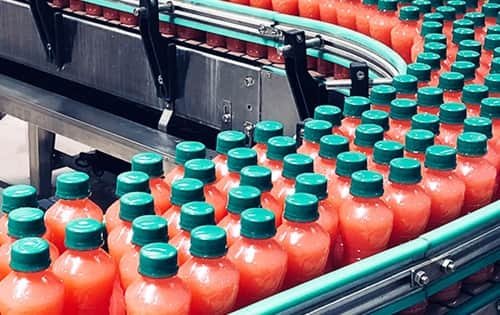
- Manufacturing Plant — Produce packaged juices, soft drinks, or energy drinks at scale.
- Fruit Juice & Fresh Beverage Outlets — Small shops or cloud kitchens focusing on fresh juices, smoothies, and shakes.
- RTD (Ready-to-Drink) Brand — Packaged herbal teas, coffee, or functional drinks sold through retail and online.
- Distribution & Wholesale — Lower capital model; source from manufacturers and distribute locally or regionally.
- Café or Beverage Chain — Combine drinks with snacks and seating for higher margins.
- Niche & Premium Segment — Organic juices, ayurvedic drinks, low-calorie beverages, or sports drinks.
Many successful entrepreneurs begin with fresh juice outlets or small RTD brands before scaling into manufacturing.
Startup Costs and Investment Breakdown
Investment varies significantly based on scale and model. A small fresh juice business can start small, while a bottling plant requires higher capital.
Table 1: Estimated Startup Costs for Beverage Business (₹ Lakhs)
| Component | Small Fresh Juice Outlet / Cloud Kitchen | Medium RTD Manufacturing Unit | Large Scale Bottling Plant |
| Shop/Factory Setup & Renovation | 5-15 | 25-60 | 80-200 |
| Machinery & Equipment | 3-12 | 40-100 | 150-400 |
| Initial Raw Materials & Inventory | 4-10 | 15-40 | 50-120 |
| Licenses (FSSAI, GST, Pollution) | 1-4 | 5-12 | 10-25 |
| Packaging & Branding | 2-8 | 10-25 | 30-70 |
| Marketing & Distribution Network | 3-10 | 15-35 | 40-100 |
| Working Capital | 3-8 | 20-50 | 60-150 |
| Total Initial Investment | 20-60 | 130-320 | 450-1100+ |
Small outlets or D2C brands can launch with ₹25-60 lakhs, while a medium manufacturing setup typically needs ₹1.5-3.5 crores. Government schemes under food processing and MSME provide subsidies and easier loans, especially for fruit processing units.
Revenue Streams, Profit Margins, and Financial Projections
Beverage businesses generate revenue through retail sales, institutional supply (hotels, offices, schools), modern trade, quick commerce, and exports. Margins are higher in fresh, premium, and functional categories.
Table 2: Typical Gross Margins by Beverage Category
| Product Category | Production Cost (₹ per unit) | Selling Price (₹ per unit) | Gross Margin (%) | Demand Trend |
| Fresh Fruit Juice (250ml) | 15-30 | 50-90 | 50-65 | Very High |
| Packaged Juice (200-250ml) | 8-18 | 25-45 | 40-55 | High |
| Energy / Electrolyte Drink | 20-40 | 60-120 | 45-60 | Growing Fast |
| RTD Ayurvedic / Herbal Drink | 12-25 | 40-80 | 50-65 | High |
| Carbonated Soft Drink | 10-20 | 30-50 | 35-50 | Stable |
| Premium RTD Coffee / Tea | 15-35 | 60-150 | 50-70 | Rising |
Table 3: Sample Monthly Financial Projection for Medium RTD Beverage Business (₹)
| Particulars | Conservative Scenario | Optimistic Scenario |
| Monthly Revenue | 12,00,000 | 35,00,000 |
| Cost of Goods Sold | 6,00,000 | 16,00,000 |
| Gross Profit | 6,00,000 | 19,00,000 |
| Operating Expenses (Rent, Salaries, Marketing, Logistics, Utilities) | 3,50,000 | 9,00,000 |
| Net Monthly Profit | 2,50,000 | 10,00,000 |
| Net Profit Margin (%) | 21% | 29% |
A medium-scale operation with good distribution can achieve ₹1.5-5 crores annual turnover within 2-3 years. Fresh juice outlets in good locations often generate ₹3-8 lakhs monthly revenue with net profits of ₹80,000-2 lakhs. Summer months can contribute 35-45% of annual sales.
Key Success Factors
- Product Innovation: Develop unique flavors, low-sugar options, and functional benefits (immunity, energy, digestion) using local ingredients like mango, guava, turmeric, ginger, and millets.
- Quality and Consistency: Strict hygiene, FSSAI compliance, and good taste are non-negotiable for repeat purchases.
- Strong Distribution: Tie-ups with kirana stores, supermarkets, quick commerce, and institutional buyers are critical for volume.
- Branding and Marketing: Attractive packaging, social media campaigns, and influencer partnerships help build visibility.
- Supply Chain Efficiency: Tie up with reliable fruit suppliers and maintain cold chain where necessary.
- Seasonal Planning: Introduce summer coolers, winter warm beverages, and festive special packs.
Major Challenges and Risk Mitigation
The beverage business faces several challenges:
- High Competition: From multinational giants and local players. Solution: Focus on niche categories and regional flavors.
- Raw Material Price Fluctuation: Fruits, sugar, and packaging materials vary seasonally. Mitigation: Long-term contracts and menu flexibility.
- Regulatory Compliance: Stringent FSSAI norms, labeling requirements, and taxes on sugar-sweetened beverages. Early compliance and clean formulations help.
- Shelf Life and Perishability: Fresh juices have short shelf life. Use proper processing and preservatives where allowed.
- High Logistics Costs: Especially for pan-India distribution. Start regionally and expand gradually.
- Consumer Preference Shifts: Towards healthier options. Regular innovation and reformulation are necessary.
Maintaining buffer stock, investing in quality control labs, and keeping strong working capital help manage risks effectively.
Scaling and Future Opportunities
Once established, scaling options include expanding product range, opening multiple manufacturing units, entering exports, or franchising outlets. The rise of health and wellness offers opportunities in sports nutrition drinks, collagen-infused beverages, nootropic drinks, and plant-based options. Sustainability trends favor recyclable packaging and naturally sourced ingredients. Many brands are successfully moving into D2C models and modern trade.
Conclusion
The beverage business in India presents strong profitability potential supported by favorable demographics, changing lifestyles, and evolving consumer preferences. While the industry is competitive, focused players who innovate, maintain quality, and build efficient distribution networks can achieve attractive returns and sustainable growth.
Entrepreneurs should conduct thorough market research, choose the right product category based on their capital and location, prepare a detailed project report, and start at a manageable scale. Emphasis on hygiene, taste, and branding will differentiate successful businesses. With rising demand for convenient and healthier drinks, a well-planned beverage venture can deliver consistent profits and significant scaling opportunities in the coming years.

Meet Suhas Harshe, a financial advisor committed to assisting people and businesses in confidently understanding and managing the complexities of the financial world. Suhas has shared his knowledge on various topics like business, investment strategies, optimizing taxes, and promoting financial well-being through articles in InvestmentDose.com