Yes, a boutique business can be highly profitable in India when managed with creativity, strong customer understanding, smart inventory control, and a mix of online and offline sales. Boutiques thrive by offering personalized, trendy, and exclusive clothing that mass retailers often cannot match. The Indian fashion market, especially ethnic and fusion wear, is expanding rapidly due to rising disposable incomes, social media influence, and demand for unique styles. Well-run boutiques typically achieve gross margins of 50-70% and net profit margins of 15-30%. Many recover their investment within 12-24 months and build loyal customer bases that drive repeat sales and referrals.
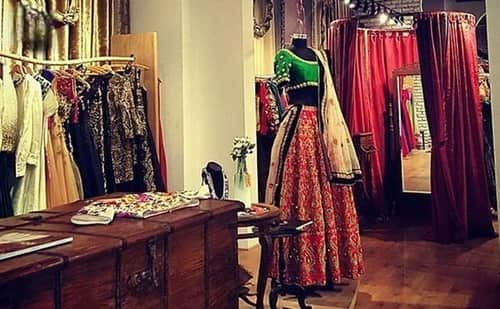
Market Overview and Growth Potential
India’s apparel market is one of the largest in the world, valued at hundreds of billions of dollars. Within this, the women’s ethnic wear segment (sarees, kurtis, lehengas, fusion wear) dominates, followed by western and indo-western styles. Boutiques occupy a sweet spot in the fashion pyramid — more premium and personalized than local tailors but more accessible and unique than large chain stores.
Key growth drivers include:
- Rising middle and upper-middle class population in Tier-1, Tier-2, and even Tier-3 cities.
- Increasing preference for customized and occasion-specific outfits for weddings, festivals, parties, and office wear.
- Influence of social media (Instagram, Pinterest) and fashion influencers who showcase boutique-style looks.
- Growth of e-commerce and omnichannel retailing, allowing boutiques to sell beyond their physical location.
- Demand for sustainable, handcrafted, and designer-inspired clothing at affordable luxury prices.
- Cultural events, weddings (a multi-billion dollar industry), and festive seasons that create huge spikes in clothing demand.
Ethnic and fusion wear accounts for a major share of boutique sales. North and West India show particularly strong demand for heavy embroidered and bridal wear, while South India prefers lighter, comfortable styles. The overall women’s apparel market continues to grow at 7-10% annually, with the organized and boutique segment growing even faster due to premiumization.
Boutiques succeed by curating collections that blend traditional craftsmanship with contemporary designs. Many also offer accessories, jewelry, handbags, and custom tailoring services to increase average order value.
Types of Boutique Businesses
Entrepreneurs can choose different formats based on capital, skills, and target customers:
- Ethnic Wear Boutique — Focus on kurtis, sarees, salwar suits, and lehengas.
- Western & Fusion Wear Boutique — Casual dresses, tops, office wear, and indo-western outfits.
- Bridal & Occasion Wear Boutique — High-value lehenga-cholis and gowns for weddings and events.
- Multi-Product Lifestyle Boutique — Clothing plus accessories, home decor, and gifts.
- Online-Only or Hybrid Boutique — Instagram-based or website-driven with minimal physical presence.
- Franchise or Designer Collaboration Boutique — Partnering with emerging designers.
Most new entrants start with ethnic or fusion wear in a mid-sized city location or through online channels.
Startup Costs and Investment Breakdown
Investment depends heavily on location (metros vs Tier-2 cities), store size, and whether it is online-only or physical.
Table 1: Estimated Startup Costs for Boutique Business (₹ Lakhs)
| Component | Small Online / Home-based | Medium Physical Boutique (500-800 sq ft) | Premium Boutique |
| Shop Interior, Renovation & Furniture | 0-5 | 12-30 | 35-70 |
| Initial Inventory | 8-20 | 25-60 | 60-120 |
| Rent Security Deposit & Advance | Minimal | 4-12 | 10-25 |
| Website, Social Media & Branding | 3-8 | 5-12 | 10-20 |
| Licenses, GST, Trademark | 1-3 | 2-5 | 4-8 |
| Marketing & Launch Events | 2-6 | 5-15 | 15-30 |
| Tailoring Equipment & Misc. | 1-4 | 3-8 | 8-15 |
| Total Initial Investment | 15-45 | 60-140 | 150-300 |
A small online boutique can start with ₹20-40 lakhs, while a good physical store in a Tier-1 or Tier-2 city usually requires ₹80 lakhs to ₹2 crores. Using rented space and starting with 150-300 pieces of inventory helps control costs. Many owners begin online and later open a physical outlet once brand recognition grows.
Revenue Streams, Profit Margins, and Financial Projections
Boutiques earn through direct retail sales, customization charges, alterations, accessories, and online orders. High margins come from exclusive sourcing and value addition through styling and personalization.
Table 2: Typical Gross Margins by Product Category
| Product Category | Cost Price (₹) | Selling Price (₹) | Gross Margin (%) | Sales Contribution |
| Daily Wear Kurtis & Tops | 300-800 | 900-2200 | 55-65 | High |
| Designer Sarees & Suits | 1,500-4,000 | 3,500-9,000 | 50-65 | Medium-High |
| Party Wear & Fusion Dresses | 800-2,500 | 2,500-6,500 | 55-70 | High |
| Bridal Lehengas & Gowns | 8,000-25,000 | 18,000-60,000+ | 50-65 | High Value |
| Accessories & Jewelry | 150-800 | 500-2,500 | 60-75 | Good Add-on |
Table 3: Sample Monthly Financial Projection for Medium Boutique (₹)
| Particulars | Conservative Scenario | Optimistic Scenario |
| Monthly Revenue | 5,00,000 | 15,00,000 |
| Cost of Goods Sold | 2,00,000 | 5,50,000 |
| Gross Profit | 3,00,000 | 9,50,000 |
| Operating Expenses (Rent, Salaries, Marketing, Utilities, Packaging) | 1,60,000 | 4,00,000 |
| Net Monthly Profit | 1,40,000 | 5,50,000 |
| Net Profit Margin (%) | 28% | 37% |
A medium-sized boutique achieving ₹6-12 lakhs monthly sales can generate ₹1.5-5 lakhs net profit per month. Peak seasons (wedding months October-February and festivals) can contribute 40-50% of annual revenue. Average transaction value in good boutiques ranges from ₹2,500 to ₹8,000+.
Key Success Factors
- Unique Curation: Source from weavers in Surat, Jaipur, Kolkata, or Bangalore and offer limited-edition pieces.
- Store Experience: Beautiful interiors, proper lighting, trial rooms, and personalized styling create memorable shopping.
- Digital Marketing: Regular Instagram reels, stories, customer lookbooks, and influencer tie-ups are essential for visibility.
- Customer Relationship Management: Build a database for personalized offers, birthday discounts, and loyalty programs.
- Customization Services: Offering stitching, alterations, and made-to-measure increases margins significantly.
- Inventory Turnover: Rotate collections every 2-3 months to keep the store fresh.
- Location: High footfall residential or commercial areas, malls, or markets work best.
Strong supplier relationships and the ability to spot upcoming trends give a competitive edge.
Major Challenges and Risk Mitigation
- High Inventory Risk: Fashion trends change fast; unsold stock can lead to losses. Solution: Order in small batches and use pre-booking for festive collections.
- Intense Competition: From large fashion chains, online giants, and other boutiques. Differentiate through exclusivity and service.
- High Rental Costs: Prime locations are expensive. Start in a good but affordable area and build online sales.
- Seasonality: Lean periods exist between major festivals. Diversify into daily wear and accessories to maintain steady sales.
- Skilled Staff: Finding and retaining sales staff who understand styling is challenging. Invest in training.
- Online Returns: Higher return rates in fashion (15-30%). Offer clear size charts and detailed descriptions.
Maintaining strict expense control, negotiating better credit terms with suppliers, and keeping 3-4 months of working capital helps weather slow periods.
Scaling and Future Opportunities
Successful boutiques scale by:
- Opening additional outlets in nearby cities.
- Launching their own clothing line or private label.
- Expanding into men’s wear, kids’ wear, or home furnishings.
- Building a strong e-commerce presence or selling on marketplaces.
- Offering franchise opportunities.
- Exporting ethnic wear to international markets.
Sustainability trends (organic fabrics, handloom, natural dyes) and demand for plus-size and inclusive sizing offer new growth areas. Many boutiques are now adopting omnichannel models successfully.
Conclusion
The boutique business in India is profitable and offers excellent creative satisfaction along with strong financial returns. With healthy margins, opportunities for personalization, and growing demand for distinctive fashion, it remains an attractive entrepreneurial opportunity.
Success depends on balancing creativity with business discipline — beautiful store presentation, smart buying, digital visibility, and exceptional customer service. Entrepreneurs who research their target locality thoroughly, start with a focused collection, control costs carefully, and adapt quickly to trends are most likely to build a thriving boutique.
Aspiring boutique owners should begin with a clear business plan, visit garment hubs for sourcing, analyze local competition, and test the concept online before investing heavily in a physical space. When executed with passion and professionalism, a boutique can become not just a profitable venture but a respected local fashion destination.

Meet Suhas Harshe, a financial advisor committed to assisting people and businesses in confidently understanding and managing the complexities of the financial world. Suhas has shared his knowledge on various topics like business, investment strategies, optimizing taxes, and promoting financial well-being through articles in InvestmentDose.com