India’s construction sector is one of the largest and most consistently active in the world — a sector whose growth is driven by an extraordinary confluence of population expansion, rapid urbanisation, government infrastructure spending, affordable housing programmes, and private real estate development that collectively create relentless demand for fundamental construction materials. Brick remains the most widely used construction material in India’s residential and commercial building sector — particularly in tier-2 cities, towns, and rural areas where alternative building technologies have not yet penetrated meaningfully. Whether a brick making business is profitable in India in 2026 requires honest evaluation of raw material availability, production economics, market demand, regulatory environment, and competition from emerging construction alternatives.
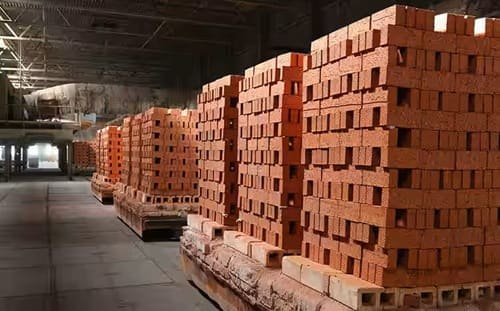
The Brick Industry Landscape in India
India is the world’s second-largest brick producer after China, manufacturing approximately 250-300 billion bricks annually through a combination of large organised units and a vast unorganised sector of small and medium brick kilns. The traditional Fixed Chimney Bull’s Trench Kiln — FCBTK — has been the dominant production technology for decades, but increasing environmental regulation has accelerated adoption of cleaner technologies including Vertical Shaft Brick Kilns, Zigzag kilns, and automated tunnel kilns that produce higher quality bricks with lower fuel consumption and reduced particulate emissions.
The brick industry in India employs millions of workers — both in production at kilns and in the construction supply chain — and serves markets ranging from individual homebuilders constructing a single-room addition to large residential developers building thousands of apartments simultaneously. Demand is strongly correlated with overall construction activity, which in turn reflects GDP growth, government infrastructure spending cycles, and real estate market conditions.
Brick Making Business Key Financial Parameters
| Parameter | Small Scale Unit | Medium Scale Unit | Large Automated Unit |
| Capital investment | ₹5 lakh–25 lakh | ₹25 lakh–1 crore | ₹1 crore–5 crore+ |
| Land requirement | 1–2 acres | 2–5 acres | 5–20 acres |
| Daily production capacity | 5,000–20,000 bricks | 20,000–80,000 bricks | 1 lakh–5 lakh bricks |
| Raw material — clay/soil cost | ₹200–500 per 1,000 bricks | ₹200–500 per 1,000 bricks | ₹150–400 per 1,000 bricks |
| Fuel cost — coal/biomass | ₹300–600 per 1,000 bricks | ₹280–550 per 1,000 bricks | ₹200–400 per 1,000 bricks |
| Labour cost | ₹150–300 per 1,000 bricks | ₹120–250 per 1,000 bricks | ₹80–150 per 1,000 bricks |
| Selling price range 2026 | ₹6–10 per brick (₹6,000–10,000 per 1,000) | ₹6–10 per brick | ₹7–12 per brick — quality premium |
| Gross profit margin | 25–40% | 30–45% | 35–50% |
| Seasonal operation | 8–9 months — monsoon disruption | 8–9 months | Near year-round with covered storage |
| Break-even period | 2–4 years | 2–3 years | 3–5 years |
| Annual net profit — medium unit | ₹15 lakh–40 lakh | ₹15 lakh–40 lakh | ₹50 lakh–2 crore+ |
Profitability Drivers and Advantages
The brick making business offers several genuine profitability advantages that have sustained the industry’s viability across generations of entrepreneurs despite modest individual unit margins.
Consistent Demand Foundation: India’s housing deficit — estimated at tens of millions of units — combined with government programmes including Pradhan Mantri Awas Yojana, Smart Cities Mission, and ongoing rural housing construction creates a structural demand base that is unlikely to disappear within any business planning horizon. This demand consistency provides revenue visibility that capital-intensive businesses in cyclical sectors do not enjoy.
Raw Material Accessibility: Clay and suitable soil for brick production are widely available across India’s alluvial plains — particularly in Uttar Pradesh, Bihar, West Bengal, Punjab, and Haryana where the industry is most concentrated. Local raw material sourcing eliminates long-distance transportation costs that inflate input costs for many manufacturing businesses. Entrepreneurs who control land with suitable clay deposits enjoy significant cost advantages over competitors dependent on purchased raw materials.
Low Technology Barrier: Traditional brick kilns can be established with relatively modest capital investment and straightforward operational knowledge — creating accessible entrepreneurship opportunities in semi-urban and rural areas where manufacturing alternatives requiring sophisticated technical skills are limited. The operational simplicity that enables small-scale entry also creates the competitive fragmentation that keeps prices competitive in local markets.
Fly Ash and Alternative Brick Opportunity: Environmental regulations progressively restricting topsoil extraction for traditional brick production have created a parallel opportunity in fly ash brick manufacturing — using industrial waste from thermal power plants as the primary raw material. Fly ash bricks offer superior strength, lighter weight, and better thermal insulation than traditional clay bricks while using waste material that thermal power plants need to dispose of. Government mandates in certain states requiring fly ash brick use in construction near thermal plants create captive demand for this alternative product.
Challenges and Risk Factors
Environmental Regulation: The brick industry faces increasing environmental scrutiny at national and state levels — regulations restricting topsoil extraction, mandating cleaner kiln technologies, limiting emission levels, and in some states requiring transitions from traditional FCBTK technology to cleaner Zigzag or VSBK alternatives. Compliance investment requirements vary by state but represent real capital costs that reduce returns for existing operators and increase entry barriers for new entrants.
Seasonal Production Limitations: Traditional brick kilns cannot operate during the monsoon season — typically four to five months annually — limiting annual production to eight or nine months. This seasonality creates cash flow challenges requiring working capital management to cover fixed costs through non-production periods and creates labour retention difficulties when skilled workers seek alternative employment during off-seasons.
Competition from Alternative Materials: Autoclaved Aerated Concrete blocks, precast concrete panels, and prefabricated construction technologies are gaining adoption in organised construction segments — particularly large residential developers seeking faster construction speeds and improved thermal performance. This alternative material competition is most acute in the premium construction segment rather than affordable housing where traditional brick maintains strong market position.
Profitability Assessment and Recommendations
| Success Factor | High Profitability Scenario | Low Profitability Scenario |
| Location | Near major construction activity — growing city periphery | Remote — high transportation cost to market |
| Raw material | Own land with clay deposits | Purchased clay — high input cost |
| Technology | Zigzag or VSBK — fuel efficient | Old FCBTK — high fuel consumption |
| Product quality | Grade A quality — premium pricing | Variable quality — discount pricing |
| Scale | Medium to large — economies of scale | Very small — uneconomical scale |
| Working capital | Adequate — smooth seasonal management | Constrained — operational disruption |
| Regulatory compliance | Full compliance — no disruption risk | Non-compliant — closure exposure |
Brick making is a profitable business in India for entrepreneurs who establish operations in high-construction-activity locations, secure access to quality raw materials at controlled costs, invest in cleaner and more fuel-efficient kiln technology to reduce operating costs and regulatory risk, maintain consistent quality to command premium pricing, and manage the seasonality challenge through disciplined working capital planning. The business rewards location intelligence, operational efficiency, and quality consistency more than any other factors.

Meet Suhas Harshe, a financial advisor committed to assisting people and businesses in confidently understanding and managing the complexities of the financial world. Suhas has shared his knowledge on various topics like business, investment strategies, optimizing taxes, and promoting financial well-being through articles in InvestmentDose.com