
Organic growth is essential for any business aiming for long-term digital success. The core strategy for driving this growth is Search Engine Optimization (SEO), a dynamic approach that elevates your website’s position on search engine results pages and helps attract more qualified visitors. Effectively utilizing SEO strategies establishes trust, credibility, and authority, enabling your business to stand out amid growing competition. To achieve these objectives, collaborating with an experienced Birmingham SEO company can streamline your efforts and amplify the impact of your campaigns.
Mastering SEO involves both art and science. While creativity shapes compelling site content, in-depth data analysis and technical tweaks are equally important. Adapting to evolving ranking algorithms and understanding the factors that search engines value makes all the difference between rapid growth and stagnation in organic search traffic.
Whether you’re managing an e-commerce giant or a local service provider, SEO empowers your brand to connect with audiences right when they’re searching for solutions. A commitment to continual improvement, systematic keyword strategy, and site performance is the foundation for ongoing online success.
Navigating the landscape of SEO can be complex, making it crucial to focus on best practices and stay informed about industry changes. Failing to optimize content, maintain technical standards, or build authority can hinder your site’s ability to rank; however, following a structured approach enables measurable growth and helps maintain a strong digital presence.
Understanding SEO
SEO is the multifaceted discipline of optimizing a website to appear prominently and attractively on search engine results pages (SERPs). It combines strategic content creation, on-page enhancements, off-page efforts, and ongoing assessment to ensure your site is positioned ahead of competitors. “Organic growth” refers to the visitors acquired through these non-paid methods—emphasizing sustainability and return on investment over time.
Crucial elements of SEO include identifying user intent, structuring web pages for clarity, improving website speed, and establishing authority through quality backlinks. Search engines like Google continually update their algorithms, prioritizing sites that deliver relevance, usefulness, and a positive user experience. As Google’s own helpful content update outlines, a site’s usefulness and user-focused approach are central to rankings.
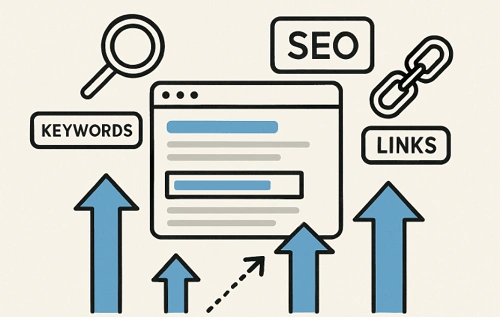
Keyword Research: The Foundation of SEO
Keyword research is the essential first step in developing any SEO strategy. Successful keyword targeting ensures your content aligns with what your audience is actually searching for, which is fundamental to gaining visibility. Tools such as Google Keyword Planner, SEMrush, and Ahrefs help identify search terms with substantial traffic and realistic levels of competition. It’s critical to consider not only volume but also the intent behind a keyword—what a user is truly hoping to find.
Incorporating researched keywords into web pages, product descriptions, and blog posts should always feel natural and support the user’s journey, rather than simply attempting to manipulate search rankings. Keyword strategies should be reviewed regularly to adapt to trends and shifts in customer behavior.
Content Optimization: Crafting Quality Content
Content remains a key driver for SEO results. Creating high-quality, relevant, and value-driven content draws in traffic and builds trust with site visitors. Each page’s content should specifically address the needs, interests, and questions of your target demographic, ensuring your site offers something unique and useful. Structuring content with clear headings (<h2> and <h3> tags), bullet points, and multimedia aids like images or infographics increase both accessibility and time-on-site, factors known to impact ranking performance.
Updating content regularly—whether by refreshing statistics, expanding on trending topics, or adding new sections—signals to search engines that your site is active and relevant. Additionally, consider aligning content with featured snippet opportunities and frequently asked questions to further enhance your visibility in SERPs.
Technical SEO: Enhancing Site Performance
Site Speed and User Experience
Fast site loading times are essential—not only do they reduce bounce rates and improve engagement, but Google now formally considers speed a ranking factor. Compress images, leverage browser caching, and use content delivery networks (CDNs) to maximize site performance.
Mobile-Friendliness
With the majority of global users accessing the web from smartphones, mobile optimization is a non-negotiable requirement. Responsive designs ensure consistent browsing experiences across devices, while Google’s mobile-first indexing prioritizes mobile versions in rankings.
Secure Connections
Transitioning to HTTPS creates a secure browsing environment for your users and demonstrates a commitment to data protection and trustworthiness—factors that search engines reward with improved rankings.
Regular technical audits can uncover crawl errors, broken links, and duplicate content issues that require immediate attention. For detailed technical SEO checklists provide excellent guidance.
Link Building: Establishing Authority
Backlinks (links from other reputable websites) remain a critical signal to search engines about your site’s authority and trustworthiness. Building a portfolio of high-quality inbound links will enhance domain authority and organic rankings, but not all links are created equal. Focus on links from relevant, authoritative sites within your niche and avoid low-value or spammy link schemes, as these can incur penalties.
- Guest Blogging: Publishing well-researched posts for industry publications in exchange for a reputable link.
- Creating Shareable Content: In-depth resources, original research, or interactive tools are more likely to attract organic references and shares.
- Outreach: Building genuine relationships with influencers and decision-makers in your industry to promote relevant content and collaborate on linking opportunities.
Persistence and creativity go a long way in link building. Regularly assess your inbound link profile and disavow potentially harmful links to maintain your site’s integrity.
Monitoring and Adjusting: The SEO Cycle
SEO success requires continuous refinement. Regularly analyzing website analytics, such as organic traffic, bounce rates, session durations, and conversion paths, uncovers which tactics are effective and which efforts require adjustment. Google Analytics and Google Search Console offer invaluable insights for tracking and iterating on your SEO strategies.
Staying flexible and responsive to performance data, as well as being proactive about industry changes and algorithm updates, creates ongoing opportunities for improvement and lasting organic growth.
Conclusion
Proven SEO techniques remain the backbone of driving organic digital growth and expanding online presence. By mastering keyword research, optimizing every piece of content, conducting regular technical health checks, and championing effective link building, your business can position itself for sustainable success. Committing to ongoing monitoring and staying attuned to search engine updates guarantees your strategies remain competitive within an ever-evolving landscape.

Meet Suhas Harshe, a financial advisor committed to assisting people and businesses in confidently understanding and managing the complexities of the financial world. Suhas has shared his knowledge on various topics like business, investment strategies, optimizing taxes, and promoting financial well-being through articles in InvestmentDose.com

![Systematic Investment Plan [SIP]](https://investmentdose.com/wp-content/uploads/2026/02/Systematic-Investment-Plan-150x150.webp)