In the world of premium automobiles, BMW (Bayerische Motoren Werke) has carved a distinct identity. Known for its focus on performance and driving experience, BMW built its reputation on one idea—“Sheer Driving Pleasure.” Unlike many competitors that emphasize comfort alone, BMW blends luxury with sportiness, making it a core member of Germany’s elite automotive trio alongside Mercedes-Benz and Audi.
Originally, BMW wasn’t even a car company. It started with aircraft engines and later evolved into motorcycles and automobiles. Now, as of 2026, BMW is entering a new phase with its “Neue Klasse” platform—an advanced electric vehicle architecture designed to redefine performance, range, and digital integration.
Quick Overview: BMW Corporate Identity
| Category | Details |
| Origin Country | Germany (Headquartered in Munich, Bavaria) |
| CEO (2026) | Oliver Zipse (till May 2026), Milan Nedeljković (incoming) |
| Founders | Karl Rapp, Gustav Otto, Camillo Castiglioni, Franz Josef Popp |
| Owner | Quandt Family (~48%) & Public Shareholders (~52%) |
From the Skies to the Streets: The Early Years
BMW was officially founded on March 7, 1916. It emerged from the merger of two aviation companies—Rapp Motorenwerke and Gustav Otto’s aircraft manufacturing firm. Founders like Karl Rapp and Gustav Otto played key roles in shaping its early direction.
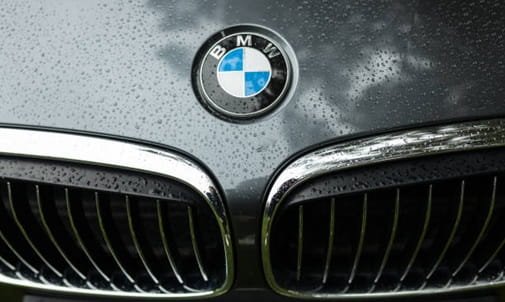
Its aviation roots are still reflected in its iconic logo, often interpreted as a spinning propeller against a blue sky, though it also represents the Bavarian flag.
After World War I, Germany was banned from producing aircraft engines under the Treaty of Versailles. This forced BMW to rethink its business. The company shifted to motorcycles, launching the R 32 in 1923, and later entered the automobile market in 1928 after acquiring the Dixi factory.
Evolution into a Luxury Performance Brand
Over the decades, BMW refined its identity around performance engineering. The company focused on creating vehicles that delivered not just transport, but an engaging driving experience.
This strategy helped BMW stand out globally. Its vehicles became known for precision handling, powerful engines, and a driver-focused design philosophy. Whether it’s sedans, SUVs, or performance models, BMW has consistently delivered on its brand promise.
Now, with the Neue Klasse platform, BMW is preparing for a future dominated by electric mobility while maintaining its signature driving feel.
Leadership Transition in 2026
BMW is currently going through a major leadership shift. Oliver Zipse, who has led the company since 2019, is set to step down in May 2026.
His successor, Milan Nedeljković, will take charge with a focus on scaling electric vehicle production while protecting BMW’s strong position in the luxury segment.
Ownership: The Quandt Family Influence
A key strength of BMW lies in its ownership. The Quandt family holds a significant stake, ensuring long-term stability.
Back in the 1950s, Herbert Quandt saved BMW from financial collapse. Today, his children—Stefan Quandt and Susanne Klatten—continue that legacy with nearly 48% ownership, while the rest is publicly traded.
Conclusion: Precision, Power, and Progress
BMW’s journey reflects constant evolution without losing its core identity. From aircraft engines to electric vehicles, it has stayed focused on delivering performance and innovation.
Today, BMW (Bayerische Motoren Werke) stands as a symbol of German engineering excellence—where tradition meets the future of mobility.

Meet Suhas Harshe, a financial advisor committed to assisting people and businesses in confidently understanding and managing the complexities of the financial world. Suhas has shared his knowledge on various topics like business, investment strategies, optimizing taxes, and promoting financial well-being through articles in InvestmentDose.com