Yes, the bakery business is highly profitable in India when executed with proper planning, quality focus, and market understanding. The sector benefits from strong tailwinds like rapid urbanization, rising middle-class incomes, westernization of food habits, and growing demand for convenient, ready-to-eat products. While competition is intense and operational challenges exist, successful bakeries across different scales consistently deliver attractive returns, often with net profit margins ranging from 15% to 30% or higher in premium segments.
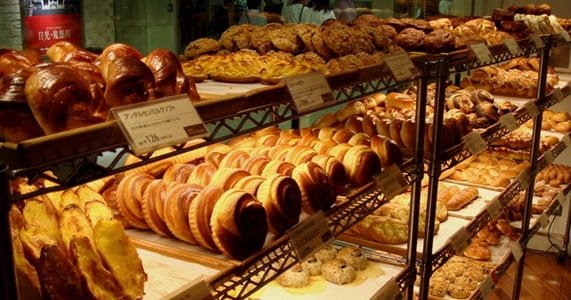
Market Overview and Growth Potential
The Indian bakery industry has evolved significantly over the past decade. What was once a largely unorganized sector dominated by small local bread and biscuit makers has now become a vibrant mix of traditional staples and premium, health-focused, and experiential offerings. The overall market is estimated to be in the range of ₹80,000 to ₹1,00,000 crore and is projected to grow at a compound annual growth rate (CAGR) of 8-10% over the next several years. This growth is fueled by multiple factors working in tandem.
Urbanization plays a major role. As more people move to cities and adopt fast-paced lifestyles, demand for quick breakfast options like bread, buns, muffins, and sandwiches has surged. Nuclear families and working professionals prefer hassle-free foods that require minimal preparation. Rising disposable incomes, especially in Tier-1 and Tier-2 cities, have made cakes, pastries, cookies, and gourmet baked goods part of regular indulgence and celebrations.
Health and wellness trends are reshaping the industry. Consumers are increasingly seeking multigrain breads, millet-based products, gluten-free options, low-sugar cakes, high-protein snacks, and vegan baked items. This shift allows bakeries to charge premium prices for differentiated products. Additionally, the expansion of e-commerce, quick commerce platforms, and organized retail has improved distribution and accessibility. Supermarkets, cloud kitchens, and café chains now serve as important channels alongside traditional outlets.
Bread remains the largest category, accounting for a significant portion of sales due to its daily consumption. Biscuits and cookies follow closely, benefiting from longer shelf life and widespread availability. Cakes and pastries are growing rapidly, driven by birthdays, anniversaries, and festive occasions. Regional preferences also vary—North India shows stronger acceptance of western-style baked goods, while South and West India are seeing faster innovation in fusion flavors.
This broad-based growth creates opportunities for different business models: small home-based operations, neighborhood retail shops, café-integrated bakeries, wholesale suppliers, and specialty premium outlets.
Types of Bakery Businesses and Profitability Levels
Different bakery formats offer varying levels of investment, risk, and profitability:
- Home-based Bakeries: These have the lowest entry barrier. Entrepreneurs operate from their kitchens, focusing on cakes, cookies, brownies, and customized orders promoted through social media and WhatsApp. Low overheads result in high margins, often 35-50% gross. Many home bakers earn ₹30,000 to ₹1 lakh or more monthly net profit after initial stabilization.
- Neighborhood Retail Bakeries: These focus on daily staples like bread, pav, buns, biscuits, and basic pastries. They rely on consistent local footfall from residential areas. Margins are moderate (20-35% gross) but volumes are steady.
- Café-Bakeries: These combine fresh baking with a seating area, coffee, and snacks. They command higher prices due to the experience but incur additional costs for ambiance, seating, and service staff. Suitable for commercial locations.
- Wholesale Bakeries: These supply to hotels, restaurants, schools, corporate cafeterias, and retailers. They emphasize high volume with slightly lower per-unit margins but benefit from predictable large orders.
- Specialty and Premium Bakeries: These target artisanal breads, organic products, international flavors, or health-focused items. They achieve the highest margins (45-70% on select products) but require superior quality, skilled staff, and targeted marketing.
Profitability depends heavily on location, product mix, cost control, and marketing. Well-managed operations in good locations often recover their investment within 12-24 months.
Startup Costs and Investment Requirements
Investment varies widely based on scale and location. Metro cities command higher costs than Tier-2 or Tier-3 towns.
Table 1: Estimated Startup Costs for Different Bakery Models (in ₹ Lakhs)
| Component | Home-Based | Neighborhood Retail | Café/Premium Setup |
| Equipment (Oven, Mixer, Dough Maker, Refrigerator, etc.) | 0.5 – 1.5 | 3 – 10 | 10 – 20 |
| Shop Interior, Renovation & Signage | 0.2 – 0.8 | 2 – 6 | 6 – 15 |
| Initial Raw Materials & Packaging | 0.2 – 0.5 | 1 – 3 | 2 – 5 |
| Licenses & Compliances (FSSAI, GST, Fire, Shop Act) | 0.1 – 0.3 | 0.2 – 0.5 | 0.3 – 0.8 |
| Rent Security & Advance | Minimal | 1.5 – 4 | 4 – 10 |
| Marketing, Website & Branding | 0.1 – 0.4 | 0.5 – 1.5 | 1.5 – 4 |
| Working Capital & Misc. | 0.3 – 0.8 | 1.5 – 4 | 3 – 8 |
| Total Estimated Investment | 2 – 6 | 12 – 30 | 30 – 70 |
Small setups can begin with ₹2-5 lakhs, while a full-fledged café may require ₹40 lakhs or more. Government schemes such as Mudra Loans, PMEGP, or state food processing incentives can reduce the effective capital needed through subsidies and easy financing.
Revenue Streams, Margins, and Financial Projections
A successful bakery generates revenue from multiple sources: walk-in customers, online delivery platforms, bulk orders, customized cakes, and corporate tie-ups. Product mix is critical—staples drive volume while premium items drive margins.
Table 2: Typical Gross Profit Margins by Product Category
| Product | Approx. Cost Price (₹) | Selling Price (₹) | Gross Margin (%) | Remarks |
| Plain Bread (per loaf) | 18-28 | 35-50 | 20-35 | High volume staple |
| Biscuits / Cookies (per kg/pack) | 40-80 | 120-250 | 35-50 | Good shelf life |
| Pastries / Muffins | 25-60 | 60-150 | 40-55 | Quick selling |
| Regular Cakes | 150-400 | 400-900 | 45-60 | High margin |
| Premium / Customized Cakes | 300-800 | 800-2000+ | 50-65 | Best profitability |
| Specialty (Millet, Gluten-free) | 100-250 | 250-600 | 50-70 | Growing demand |
Table 3: Sample Monthly Financial Projection for a Medium Neighborhood Bakery (₹)
| Particulars | Conservative Scenario | Optimistic Scenario |
| Monthly Sales Revenue | 4,50,000 | 9,00,000 |
| Cost of Ingredients | 2,25,000 (50%) | 4,05,000 (45%) |
| Gross Profit | 2,25,000 | 4,95,000 |
| Operating Expenses (Rent, Salaries, Utilities, Packaging, Marketing) | 1,40,000 | 2,40,000 |
| Net Monthly Profit | 85,000 | 2,55,000 |
| Net Profit Margin (%) | 19% | 28% |
A bakery achieving ₹5-8 lakhs monthly revenue can comfortably generate ₹80,000 to ₹2 lakhs net profit. Home bakers with strong online presence often cross ₹50,000-1.5 lakhs monthly net with lower fixed costs. Key to improving numbers is minimizing waste (baked goods are perishable), negotiating better rates with suppliers through bulk purchases, and maintaining strict inventory and production planning.
Key Success Factors
- Strategic Location: Proximity to residential colonies, schools, offices, or markets ensures steady footfall.
- Product Quality and Innovation: Consistent taste and freshness build loyalty. Incorporating Indian flavors—such as elaichi cookies, turmeric latte cakes, masala pav, or millet-based healthy breads—helps products stand out.
- Cost Control: Ingredients typically account for 45-55% of sales. Smart sourcing, seasonal adjustments, and waste reduction directly impact bottom line.
- Digital Marketing: Instagram reels showcasing baking process, attractive packaging, and partnerships with Swiggy, Zomato, and Blinkit expand reach significantly.
- Customer Experience: Friendly service, clean premises, and occasional loyalty programs turn one-time buyers into regulars.
- Operational Efficiency: Early morning baking schedules, proper equipment maintenance, and trained staff are essential for smooth functioning.
Major Challenges and Risk Mitigation
The bakery business is not without hurdles:
- Raw Material Price Fluctuations: Flour, sugar, butter, chocolate, and eggs are sensitive to inflation and supply disruptions. Long-term supplier contracts and menu flexibility help mitigate this.
- Intense Competition: Local players and large packaged brands create pressure on pricing. Differentiation through quality and niche offerings is the best defense.
- Perishability: Unsold products lead to waste. Accurate demand forecasting and end-of-day discount strategies reduce losses.
- Skilled Manpower: Finding and retaining trained bakers remains difficult. In-house training and competitive salaries improve retention.
- Regulatory Requirements: FSSAI licensing, GST compliance, and periodic inspections add to workload and costs. Early compliance avoids penalties.
- Seasonality: Sales peak during festivals, weddings, and winters but may dip in extreme summers in some regions.
Successful bakery owners tackle these by maintaining detailed records, using basic software for inventory, and continuously adapting their menu based on customer feedback.
Scaling and Future Opportunities
Once established, bakeries can scale through franchising, opening multiple outlets, introducing packaged products for retail shelves, or entering cloud kitchen models. Export potential for Indian ethnic baked goods is also rising. The growing health consciousness and premiumization trend suggest that bakeries focusing on clean-label, functional, and sustainable products will see even better profitability in coming years.
Conclusion
The bakery business in India offers strong profitability potential in a growing market supported by favorable demographics and consumer trends. With initial investments ranging from a few lakhs to several crores and realistic net margins of 15-30%, it presents an appealing opportunity for entrepreneurs passionate about food and service.
Success ultimately depends on execution—delivering consistent quality, managing costs effectively, innovating products, and building strong customer relationships. Those who treat baking as both an art and a science, while applying sound business principles, are likely to enjoy not just financial rewards but also the satisfaction of creating products that bring joy to thousands of customers daily.
Aspiring bakers should begin with thorough market research in their target area, start at a manageable scale, maintain strict hygiene and quality standards, and remain adaptable to changing preferences. When done right, a well-run bakery can become a sustainable, profitable venture with scope for significant growth in the years ahead.

Meet Suhas Harshe, a financial advisor committed to assisting people and businesses in confidently understanding and managing the complexities of the financial world. Suhas has shared his knowledge on various topics like business, investment strategies, optimizing taxes, and promoting financial well-being through articles in InvestmentDose.com