Infrastructure is one of the most powerful factors shaping real estate prices in modern cities. From highways and metro networks to schools, hospitals, and commercial hubs, the quality of infrastructure directly affects property demand, livability, and long-term appreciation. Whether residential or commercial, properties located in well-developed areas tend to command higher prices due to better connectivity, convenience, and future growth potential.
The Direct Link Between Infrastructure and Property Value
Real estate prices are closely tied to accessibility and development. When a locality has strong infrastructure such as wide roads, reliable public transport, and essential utilities, it becomes more attractive to homebuyers and investors. For instance, areas with strong transport networks in cities like Bengaluru and Mumbai often witness steady property price appreciation due to high demand and limited supply.
Improved infrastructure reduces travel time and enhances convenience, which significantly increases the desirability of a location. Buyers are generally willing to pay a premium for properties that offer easy access to workplaces, educational institutions, and entertainment zones.
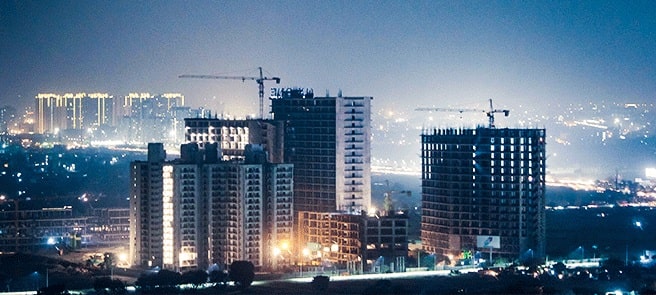
Impact of Transportation Infrastructure
Transportation is one of the biggest drivers of real estate pricing. Metro connectivity, expressways, flyovers, and railway networks can transform underdeveloped areas into real estate hotspots. For example, properties near metro corridors in Delhi have seen notable price growth due to improved commuting efficiency. Reduced travel time makes these areas more appealing to working professionals and families.
Similarly, new highways and ring roads often open up suburban regions for development, increasing both residential and commercial property values. Infrastructure projects expand the livable boundaries of cities and encourage real estate expansion in peripheral zones.
Role of Social Infrastructure
Social infrastructure includes schools, hospitals, shopping centers, parks, and recreational facilities. These amenities significantly enhance the livability of a locality and attract long-term residents. Families, in particular, prefer areas with reputed schools, healthcare centers, and green spaces, which leads to higher housing demand and price stability.
Cities like Hyderabad and Pune have experienced rapid real estate growth in areas where IT parks are supported by strong social infrastructure such as malls, international schools, and entertainment zones.
Commercial Infrastructure and Employment Hubs
The presence of IT parks, business districts, and industrial zones also plays a major role in influencing property prices. Employment hubs create consistent housing demand, especially in nearby residential layouts. For example, areas near major IT corridors tend to have higher rental and capital values due to the influx of professionals seeking housing close to their workplaces.
Commercial infrastructure not only boosts demand but also improves rental yields, making such locations attractive for real estate investors.
Utilities and Basic Services
Reliable water supply, electricity, sewage systems, and internet connectivity are essential components of infrastructure that directly impact property valuation. Localities with uninterrupted utilities and modern civic planning often see better price appreciation compared to areas facing frequent service disruptions. Buyers and tenants prioritize areas that offer hassle-free daily living.
Future Infrastructure Projects and Price Appreciation
Upcoming infrastructure developments often lead to speculative growth in real estate prices. Announcements of metro expansions, smart city projects, airports, or commercial corridors can significantly increase investor interest in surrounding areas. Early investments in developing localities often result in higher returns once infrastructure projects are completed.
However, price appreciation depends on timely project execution and overall urban planning. Delayed infrastructure projects can slow down real estate growth in anticipated hotspots.
Challenges and Market Risks
While infrastructure boosts property value, rapid development can also lead to congestion, rising costs, and overpricing in prime areas. Additionally, unplanned infrastructure expansion may strain civic resources, affecting long-term livability. Investors and buyers must assess both current and planned infrastructure before making decisions.
Final Thoughts
Infrastructure is a cornerstone of real estate pricing and long-term urban growth. Well-connected roads, efficient public transport, strong social amenities, and employment hubs collectively enhance property demand and value. As cities continue to expand and modernize, infrastructure development will remain a key driver of real estate trends, shaping investment opportunities and residential preferences for years to come.

Meet Suhas Harshe, a financial advisor committed to assisting people and businesses in confidently understanding and managing the complexities of the financial world. Suhas has shared his knowledge on various topics like business, investment strategies, optimizing taxes, and promoting financial well-being through articles in InvestmentDose.com